Media representation is the way that the media itself represents/portrays different social groups, communities, ideologies etc.
Representation itself can have a multitude of ways to be showcased in films etc.
- Gender
Feminine vs Masculine: femininity and masculinity are portrayed as two completely different subjects in the media industry. Women are the polar opposite of men both physically and mentally when depicted usually. Due to common stereotype, men are usually the stronger leading characters whilst women are more hidden and kept back.
- Race
In racial terms, minorities usually pertain to smaller, less leading roles in films. Apart from the roles they play, different races can unfortunately be seen as more dangerous solely due to stereotyping.
- Disability
People with disabilities play a multitude of roles. They can be seen as the Hero, victim, or maybe even the villain. Having a disability can be used as a common stereotype that villains have such as eyepatches, hooks, etc. Heros can also have disabilities since they might pertain to their backround story/outfit.
- Age
Age can go a long way in films. Different age ranges can change the stereotype of a character quite greatly. Older people are stereo-typically seen as smarter, faster, stronger and more of leaders. Younger kids and teen are seen as less intelligent, weaker, slower, and less of leaders. For this reason, older people are used for leading character roles in movies.
Other more specific features in the body such as sexuality, weight, and height are used very often to stimulate common stereotypes among different groups and communities.
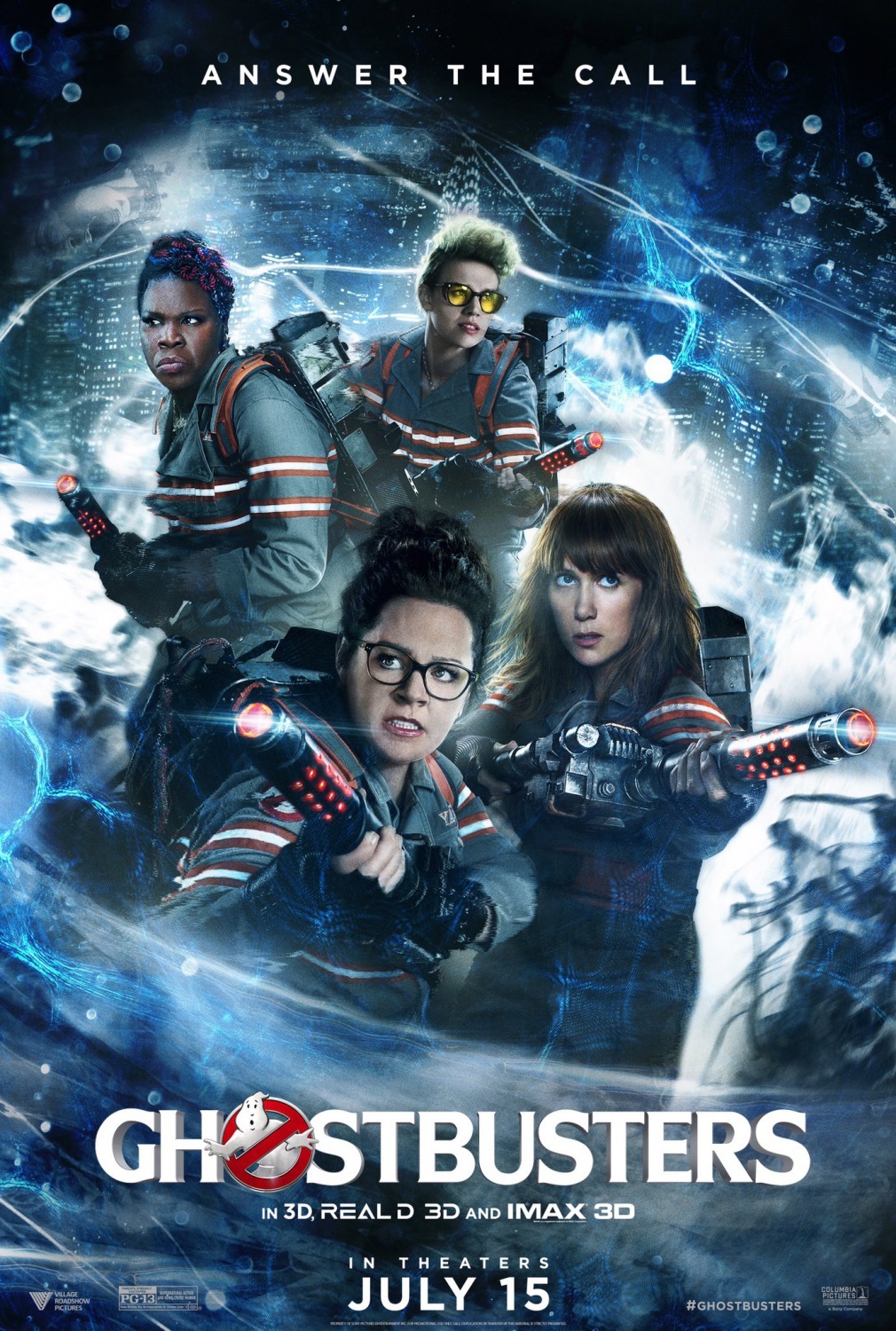
In the newest versions of ghost-busters, the originally male characters, were turned into a cast of 4 female characters. As it may not seem that significant to the viewer, subconsciously it is triggering representation for gender. What this movie actually did is shift the focus from strong leading male characters, to a more deserved demographic.
There have been an increase in films that are now incorporating smaller less popular groups in a positive, less discrimination way. This, even then, does not stop a few major ways that producers of media can misrepresent a community.
Tokenism: When the inclusion of a minority or less popular group is simply a mere effort to make a story, narrative or area seem as though it is more race/demoghraphic equal. This can be done both indirectly or directly in things such as films, or even real life. A woman or african-american as a lead character is an easy and direct way to establish equality in terms of gender or age in a film. This is direct due to the fact that it is a very important factor and incredibly visible to an audience. A more indirect form of tokenism is a minority as an extra character in movie.

Stereotyping: The assumptions of how a certain type of person is supposed to be due to their racial, ethnic, gender, sexual or religious identity. An example of this are Arabs. In films, Arab men are mostly shown to be grimy, pro-terrorist characters. These results are often seen as negative and unrealistic.

Even though stereotyping is something that is very commonly used in films, in real life it is not seen as something that is acceptable. Stereotyping in the real world is seen as something degrading, cruel, and unfair. The only reason it is used in movies is due to the fact that it helps viewers make quick connections which can then be used for comedy, and many other elements.
 Sebastian's Blog