
Audience: The assembled spectators or listeners at a public event, such as a play, movie, concert, or meeting.
Audience engagement: Films can engage with audiences in different ways that are not visibly seen but rather felt. Since specific audiences watch and prefer specific films, those same films will add stimulants such as codes, conventions, and representation to cater to those audience members
Intended Audience: There are many different types of audiences that go along with the films genre, age restriction, and orientation.
Age:
- Children (5-11 years old) –
- Family groups
- Teenagers / young couples / students
- Adults
Locations:
- Different locations hold different types of civilizations which in turn produce a variety of opinions on film genres. For example, audiences in France will most likely have a preference towards french originated stories. Film industries can use this knowledge for their advantage in order to make more sales in specific areas around the world.
Audience Development: Film companies are getting incredibly savvy when it comes to the attraction, and retention of audiences. However, this does not deter us from the fact that it is quite difficult to disguise foreign topics to new audiences and muffle traditional boundaries in the world of film. This can only be done through good marketing and film content. Smaller Indy film-makers are quite big on the idea of crossing into the unusual territory of film-making in order to introduce new ideas into the world and gain more media recognition.

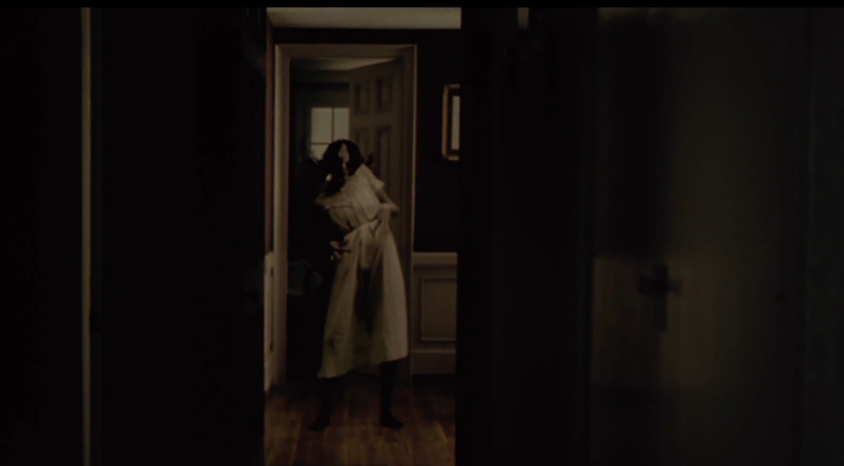
The film above is a short film directed by Andrés Muschietti, depicting a little boy and a girl who’s mother arrives home in quite an unpleasant way. This short-film caused quite a lot of shake in the film industry since it a very unusual form of camera work, where they never stopped rolling the footage, making it a film with no edit cuts in the final product. A short film so fluid and well done introduced a new style of film-making and camera work through a 2 minute clip.
 Sebastian's Blog