As discussed before, narrative for film is described as ‘the coherence/organisation given to a series of facts.’ The human minds needs a narrative to make connections in between allusions and other situations in order to make sense of things.
Creature:
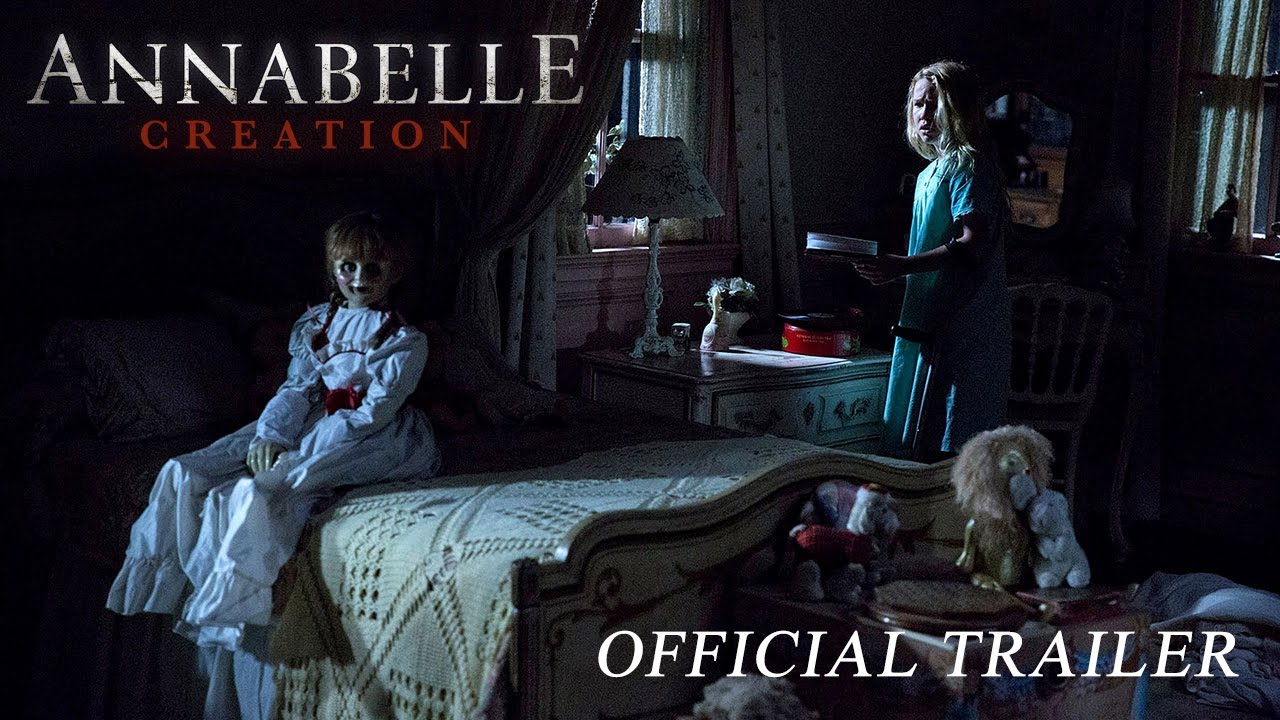
By including a creature/supernatural being in the story, you can establish a great way to not only anchor a movie, but help it advance as well. This is done in a huge amount of horror movies. A great example is ‘Annabelle: Creation’ (2017) The movie is about a dollmaker who creates a ‘haunted’ doll named Annabelle to grief their lost 7 year old daughter. Later on in the movie, the house the doll resides in becomes a place where a couple of little girls will stay to sleep. Once the doll begins to move and create paranormal activity, it serves as a way for the movie to advance in its plot.
Very usual horror movie narrative structures consists of a dangerous situation that leads to the death of a big amount of the protagonists. Since that is only the beginning, it leaves the rest of the movie consisting of a fight or flight situation in between the danger and the protagonist/s.
David Bordwell describes a narrative as a chain of events occurring in time and space in a cause-effect relationship.
Narrative is generally accepted as having two components: the presented story and its telling or narrative process, also referred to as narrative discourse. Story is a collection of depicted events, characters (or agents for some), and acts from which the viewer is creating a world of fictional time, place, and cause-effect.
In total, there are 4 conventions of narrative that one must analyze;
Genre – The general theme of a story.
Characters – The actors playing a specific role in a film.
Time – Time frame setting the movie is based on.
POV – The point of view from which the narrative is told.
Movies such as but are not limited to The Wizard of Oz, The Goonies, or Rocky are all examples of narrative films due to the particular structure of their story. Furthermore, The Wizard of Oz begins with the introduction of character, and then plays out unfortunate events that occur to them and how they overcome those obstacles.
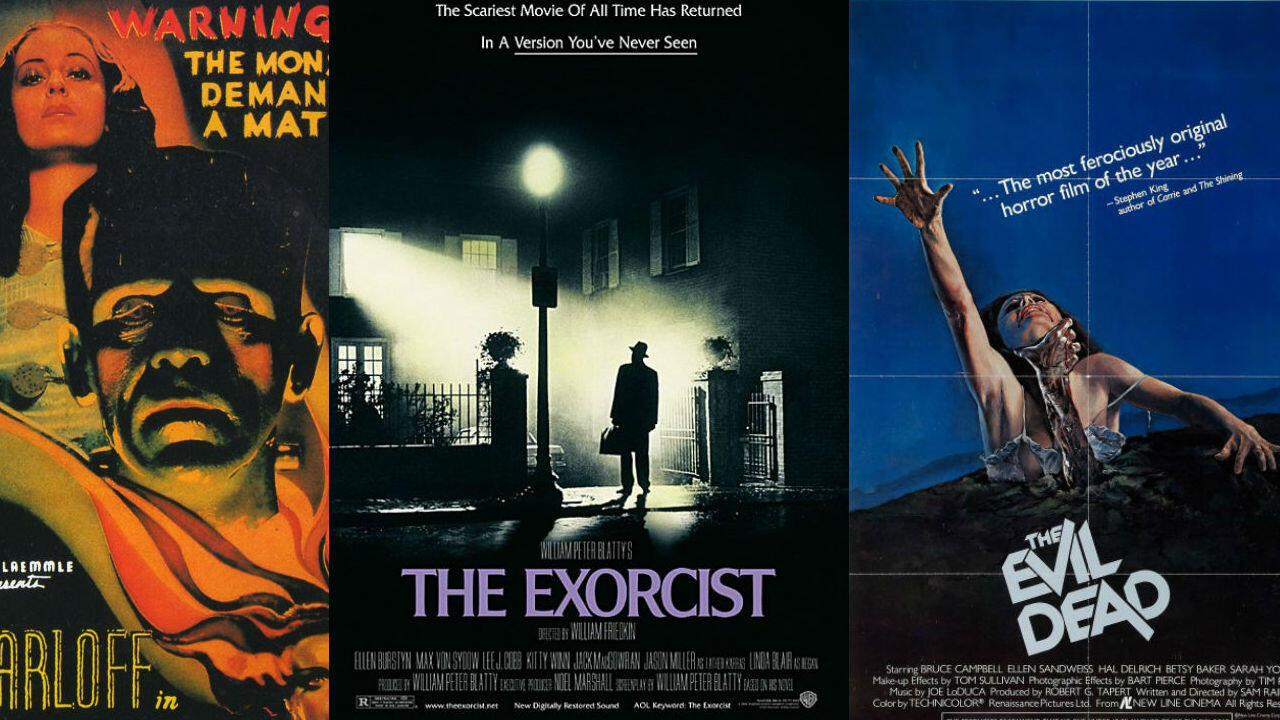
Horror is a very popular genre for people across the globe. In fact, in terms of box office revenue, horror is the 6th most popular genre in the world. Even so, being one of the biggest genres doesn’t mean the film-makers are able to escape the common guidelines to target audiences.
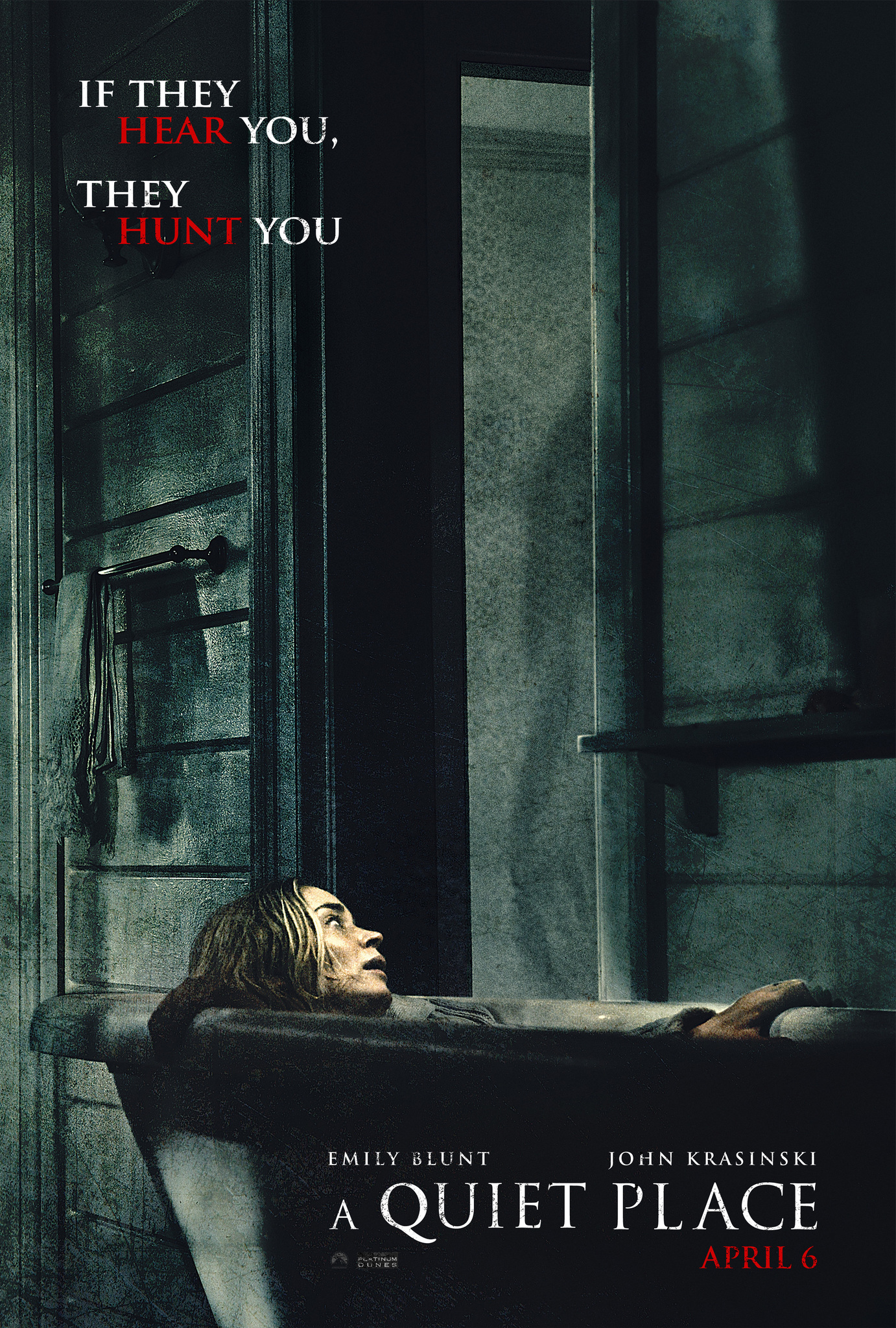
2017 marked the first time the horror genre for films generated over 1 billion dollars in box office sales. Newer films such as ‘A Quiet Place’, and ‘The Nun’ are a huge indication that the horror film genre will not be slowing down any time soon.
Horror films usually attract younger people starting from the age of 15. Since they contain blood, gore, and violence, younger teens who seek for thrill and challenges enjoy these films. In fact, a blog source called’Variety’ claims that, “Horror fans are a loyal bunch. 44% of paranormal horror fans go to the movies more than 12 times a year, while 56% of sci-fi aficionados attend multiplexes over a dozen times a year.”
Due to the absolute loyalty of these horror movie audience members, it is quite easy for film companies to retain their audiences.
Audience: The assembled spectators or listeners at a public event, such as a play, movie, concert, or meeting.
Audience engagement: Films can engage with audiences in different ways that are not visibly seen but rather felt. Since specific audiences watch and prefer specific films, those same films will add stimulants such as codes, conventions, and representation to cater to those audience members
Intended Audience: There are many different types of audiences that go along with the films genre, age restriction, and orientation.
Age:
Children (5-11 years old) –
Family groups
Teenagers / young couples / students
Adults
Locations:
Different locations hold different types of civilizations which in turn produce a variety of opinions on film genres. For example, audiences in France will most likely have a preference towards french originated stories. Film industries can use this knowledge for their advantage in order to make more sales in specific areas around the world.
Audience Development: Film companies are getting incredibly savvy when it comes to the attraction, and retention of audiences. However, this does not deter us from the fact that it is quite difficult to disguise foreign topics to new audiences and muffle traditional boundaries in the world of film. This can only be done through good marketing and film content. Smaller Indy film-makers are quite big on the idea of crossing into the unusual territory of film-making in order to introduce new ideas into the world and gain more media recognition.
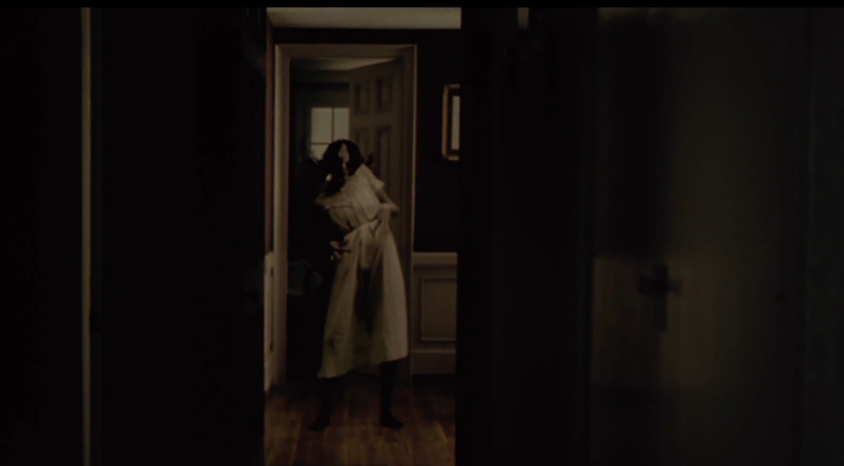
The film above is a short film directed by Andrés Muschietti, depicting a little boy and a girl who’s mother arrives home in quite an unpleasant way. This short-film caused quite a lot of shake in the film industry since it a very unusual form of camera work, where they never stopped rolling the footage, making it a film with no edit cuts in the final product. A short film so fluid and well done introduced a new style of film-making and camera work through a 2 minute clip.
The genre for our upcoming film will be Horror. We decided to work with this genre to produce our next film primarily because we are well adapted and familiar to the genre. We used horror for our last film as its main genre and have been doing much research on it recently. We are not only familiar with the technical side of it; but we also understand its codes and conventions, and its other qualities.
Codes and Conventions:
Low-key lighting: Low-key lighting is used in horror films primarily to give the sense of darkness. People usually associate darkness with danger, mystery, and suspense. Having audiences with these mindsets provide for a perfect reason to use low-key lighting.
Quick Flashing Shots: Quick flashing shots actually are very often used in horror movies for a few reasons. First off, they provide the viewer with only a few seconds of gore and blood, leaving them with only their mind to fill in the rest of what they had seen. By doing so, their minds will usually over-exaggerate the imagery and leave the audience with quite the strong picture. Another effect these shots and cuts have are to quicken the pace of a film and have the viewer feeling on edge at all times.
Family Houses: Family houses are used a lot for the primary setting in horror movies. The reason for this is that families can make the viewer relate to the movie by showcasing a realistic family and scenario. By having the viewer relate to what they see on screen, it makes the experience and imagery all the more realistic.
Representation: For the representation of horror films, the biggest group stereotyped are age groups.
Age – Age plays a big role in horror films. Specifically younger characters are used in these movie genres. Younger characters are used quite often in films such as insidious mostly because of the fact that they seem vulnerable and weaker. Having established this connection between the onset character and the audience makes the viewer feel empathy towards them.
Characters: The typical dominant characters in horror movies are men. This is mainly stereotypical but it also contains some physical aspects. Since men are usually born to be larger, they appear to be more dominant and more likely to be the killers. On the other hand, women are usually the vulnerable victims which are slaughtered. The reason for this also purely stereotypical since they are seen as smaller, and less powerful. Physically though, women are usually smaller physically wise.
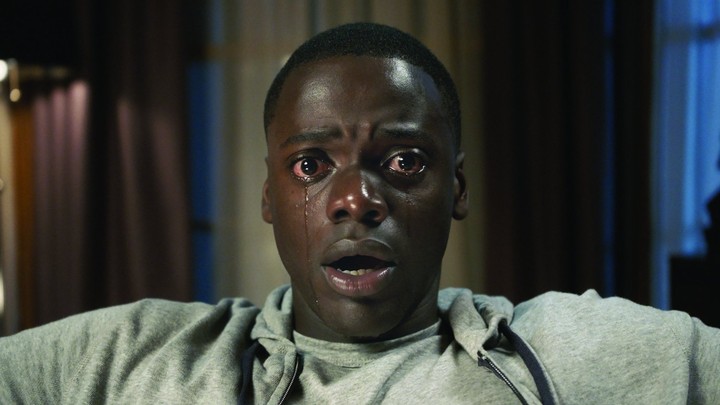
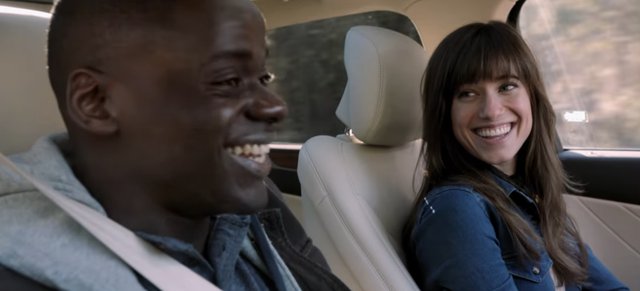
Race: The movie ‘Get Out’, is a perfect example of racial profiling in horror films. The movie does originally represent slavery existing present day, and was intended to be a film that represented slavery from the director, Jordan Peele. Moving on, the movie is about a black man who visits his girlfriends parents far away from his home and eventually realizes its a slavery auction. Thanks to Jordan Peele, this movie perfectly represent black people and how vulnerable they are in horror films.
In fact, minorities in horror films are usually the ones that go through the most trauma and suffering unless they are the protagonists.
Disability: Disabilities in horror movies are primarily used on the villains. Aggressive, evil characters usually have disabilities due to their back stories. Traumatizing back stories are given to villains to explain why it is that they do the exceptionally ‘evil’ things they do. By the same token, these traumas can include the severing of a limb, or massive injury that leaves them scarred. Having done this, villains costumes can also revolve around their injury.
Age: A big example of age is the movie insidious. Horror movies usually use younger and smaller characters as important roles due to the effect it has on viewers. Younger people are usually seen as weaker, smaller, and more fragile. Since they are seen as prone to dying quickly, the audience will usually develop empathy for the protagonist or other character.
Media representation is the way that the media itself represents/portrays different social groups, communities, ideologies etc.
Representation itself can have a multitude of ways to be showcased in films etc.
Gender
Feminine vs Masculine: femininity and masculinity are portrayed as two completely different subjects in the media industry. Women are the polar opposite of men both physically and mentally when depicted usually. Due to common stereotype, men are usually the stronger leading characters whilst women are more hidden and kept back.
Race
In racial terms, minorities usually pertain to smaller, less leading roles in films. Apart from the roles they play, different races can unfortunately be seen as more dangerous solely due to stereotyping.
Disability
People with disabilities play a multitude of roles. They can be seen as the Hero, victim, or maybe even the villain. Having a disability can be used as a common stereotype that villains have such as eyepatches, hooks, etc. Heros can also have disabilities since they might pertain to their backround story/outfit.
Age
Age can go a long way in films. Different age ranges can change the stereotype of a character quite greatly. Older people are stereo-typically seen as smarter, faster, stronger and more of leaders. Younger kids and teen are seen as less intelligent, weaker, slower, and less of leaders. For this reason, older people are used for leading character roles in movies.
Other more specific features in the body such as sexuality, weight, and height are used very often to stimulate common stereotypes among different groups and communities.
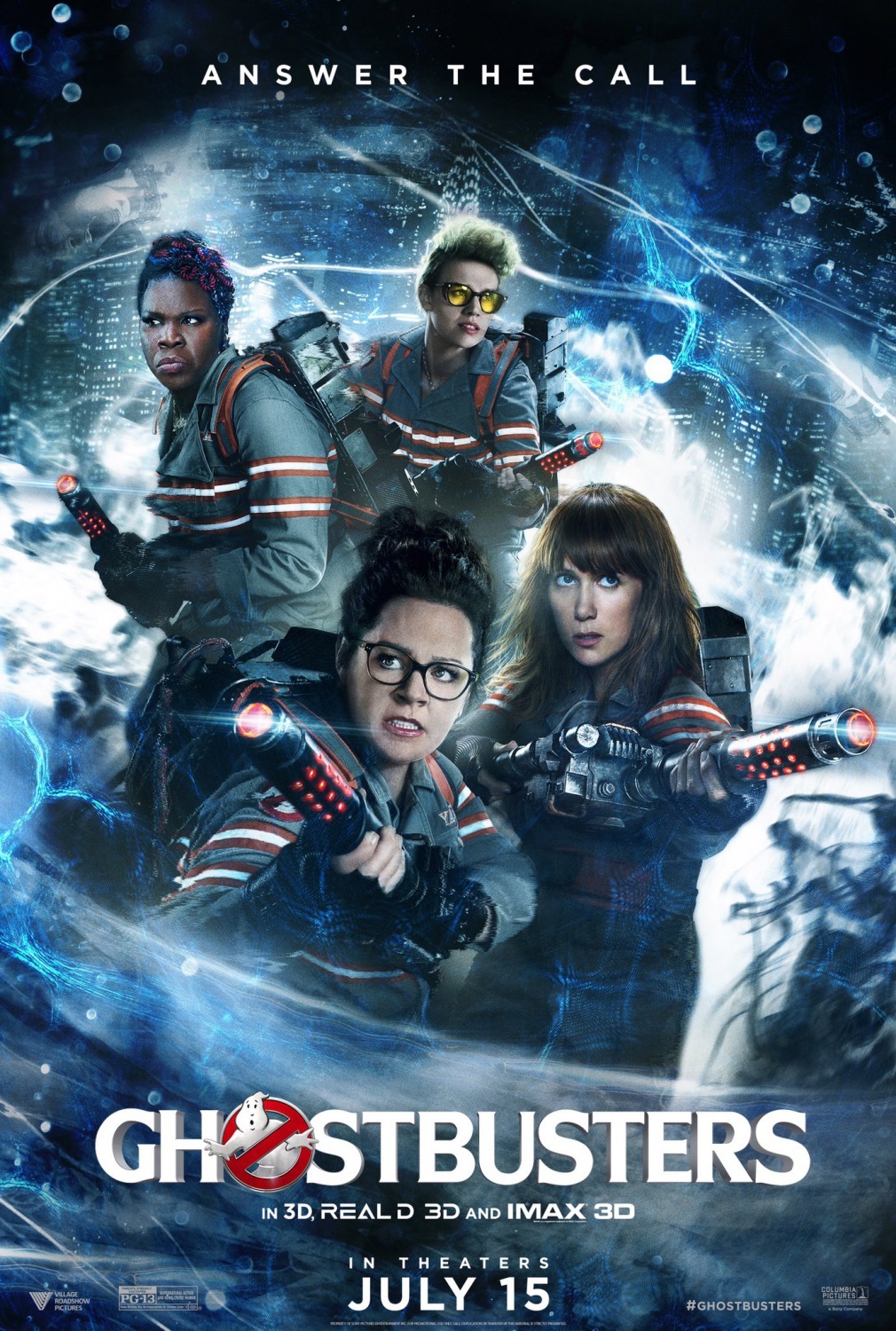
In the newest versions of ghost-busters, the originally male characters, were turned into a cast of 4 female characters. As it may not seem that significant to the viewer, subconsciously it is triggering representation for gender. What this movie actually did is shift the focus from strong leading male characters, to a more deserved demographic.
There have been an increase in films that are now incorporating smaller less popular groups in a positive, less discrimination way. This, even then, does not stop a few major ways that producers of media can misrepresent a community.
Tokenism: When the inclusion of a minority or less popular group is simply a mere effort to make a story, narrative or area seem as though it is more race/demoghraphic equal. This can be done both indirectly or directly in things such as films, or even real life. A woman or african-american as a lead character is an easy and direct way to establish equality in terms of gender or age in a film. This is direct due to the fact that it is a very important factor and incredibly visible to an audience. A more indirect form of tokenism is a minority as an extra character in movie.
Stereotyping: The assumptions of how a certain type of person is supposed to be due to their racial, ethnic, gender, sexual or religious identity. An example of this are Arabs. In films, Arab men are mostly shown to be grimy, pro-terrorist characters. These results are often seen as negative and unrealistic.
Even though stereotyping is something that is very commonly used in films, in real life it is not seen as something that is acceptable. Stereotyping in the real world is seen as something degrading, cruel, and unfair. The only reason it is used in movies is due to the fact that it helps viewers make quick connections which can then be used for comedy, and many other elements.
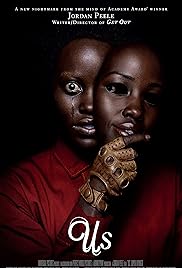
Genre: The movie ‘Us’ has 3 genres; horror, mystery, and lastly, thriller. All 3 of these genres form some part of the film in some way.
Narrative: The movie ‘Us’ is about a simple family that goes on vacation and travels from their. In the opening scene, we can see an old school Tv set, as its playing a commercial for ‘Hands Across America”. This small clip in the beginning is already foreshadowing future events in the movie. We then go on to see a scene of a family of 3, playing games at a fair. As the Mom and Dad are distracted at the carnival attractions themselves the young daughter decides to venture off quite quickly, and we get a glimpse of what seems to be extremely ominous people.
Location: The movie was entirely shot in California, USA.
Audience: This movie is rated R for violence/terror, and language. This means that you are not allowed to view this movie at the age of 17 or less without a legal guardian or parent accompanying you.
Codes and Conventions: Right off the bat, we can see that the movies primary style is retro/old fashioned. Our first scene is of an old television set which gives the impression that the movie was filmed during the 1980s. We then get transported into the world of carnival games, yet, even here everything from attire and language gives you a sense of ‘retro’. The wardrobe chosen for the actors was especially chosen to fit the look the movie wants to portray which is why it would be considered a technical code.
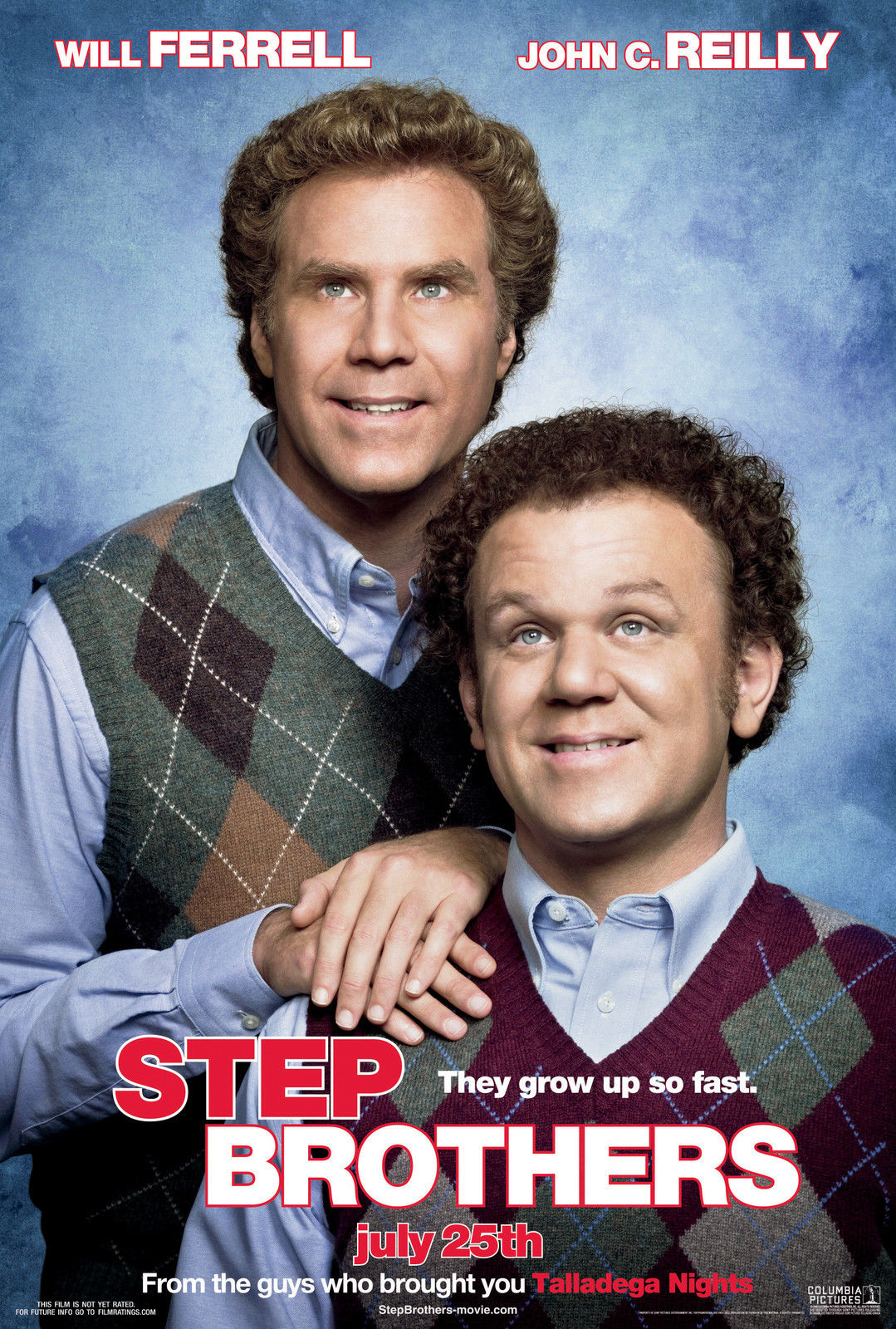
Genre: Comedy is the only genre that pertains to this film.
Narrative: The opening scene start off with the two brothers staring off their day on a bright morning. We can clearly see right off the bat that their actions do not seem adequate to one of a middle aged man. Whilst one brother is making his own version of what seems to be ‘nachos’ in a microwave, the other is playing with his drum-set. What the opening scene is attempting to portray, is two men who still act like children. In my opinion this opening could not have been done any better since it perfectly gives the viewer the right mindset of what they will be dealing with.
Location: The movie was primarily shot in California, USA.
Audience: The film is rated ‘R’ for crude and sexual content, and pervasive language. This means that one must be 18 years old or older to view the film, or must be accompanied by a legal guardian.
Codes and Conventions: Throughout the movie, a good balance of joyful tones and colors were used. The color grading is done quite well and lightly since it should portray something that is both hilarious and thrilling at the same time. Since no incredibly dramatic scenes happen throughout the film, the use of heavier color tones such as dark red and blue are not necessary. In terms of audio, most of the film was shot with diegetic sounds because not SFX was needed to be added due to it being such a relatively calm movie.
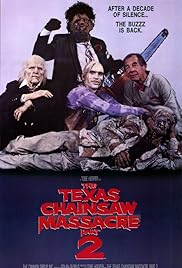
Genre: Comedy and Horror are the two main genres pertaining to this film.
Narrative: The movie’s about the return of the original chainsaw gang. Old granddad’s on a wheelchair now, and no wonder – he’s 137 years old. The father, nicknamed Cook, has won the big Texas-Oklahoma Chili Contest two years in a row, even though people sometimes find human teeth in his chili. The boys, Leatherface and Chop-Top, live in a subterranean mortuary beneath an abandoned theme park, where the body parts of their victims hang from the ceiling. In my opinion i think the opening scene is very interesting andgj the angles and POV are great.
Location: Austin, Texas. Dark areas were primarily used for the shooting as well.
Audience: This film is known to be rated R, meaning that the film is intended for mature audiences which are over the age of 18. This is mainly due to the foul language and the gore that is associated with this film.
Codes and Conventions: Dark color coding and lighting is the most common technical code used throughout the film. Cramped dark rooms also provide for a claustrophobic feel. Furthermore, low angle shots are used to make characters seem as more powerful such as Leatherface In terms of audio, the rain is a non diegetic sound which forms an eerie feeling for the audience.The radio sounds used in the film are also most likely non-diegetic since the mic quality at the time was most likely not able to capture such low sounds.










 Sebastian's Blog